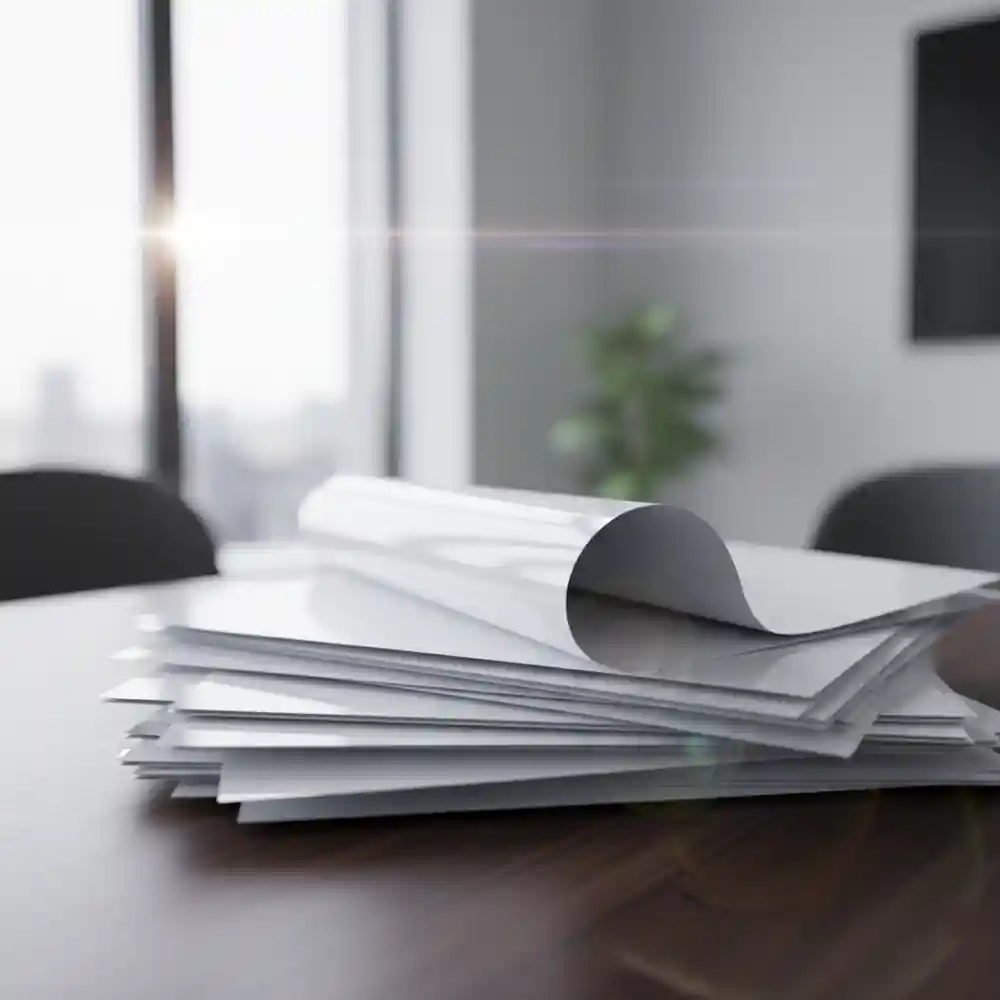
Maplitho Paper is a high-quality uncoated printing paper widely used in commercial and offset printing. It is known for its smooth surface, balanced ink absorption, and excellent readability. This paper is ideal for writing, publishing, and corporate stationery because it delivers a professional finish while remaining cost-effective.
What is Maplitho Paper?
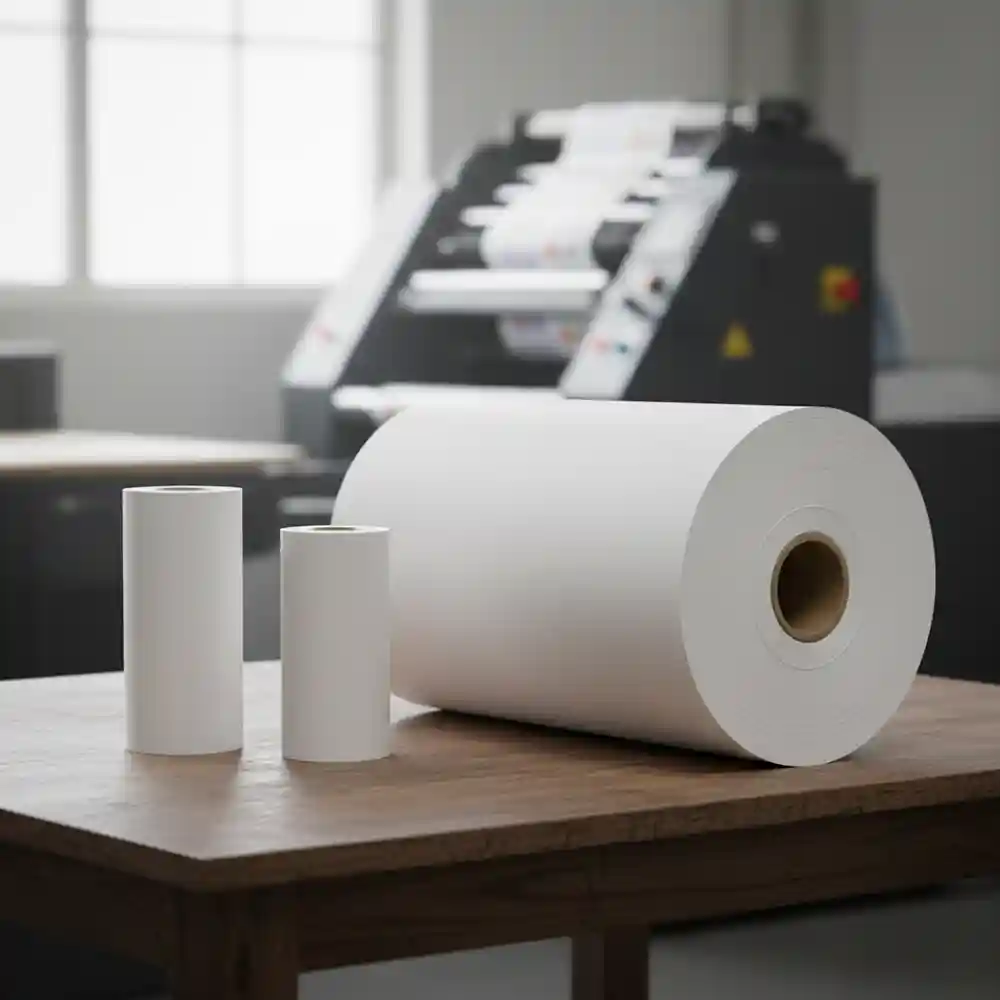
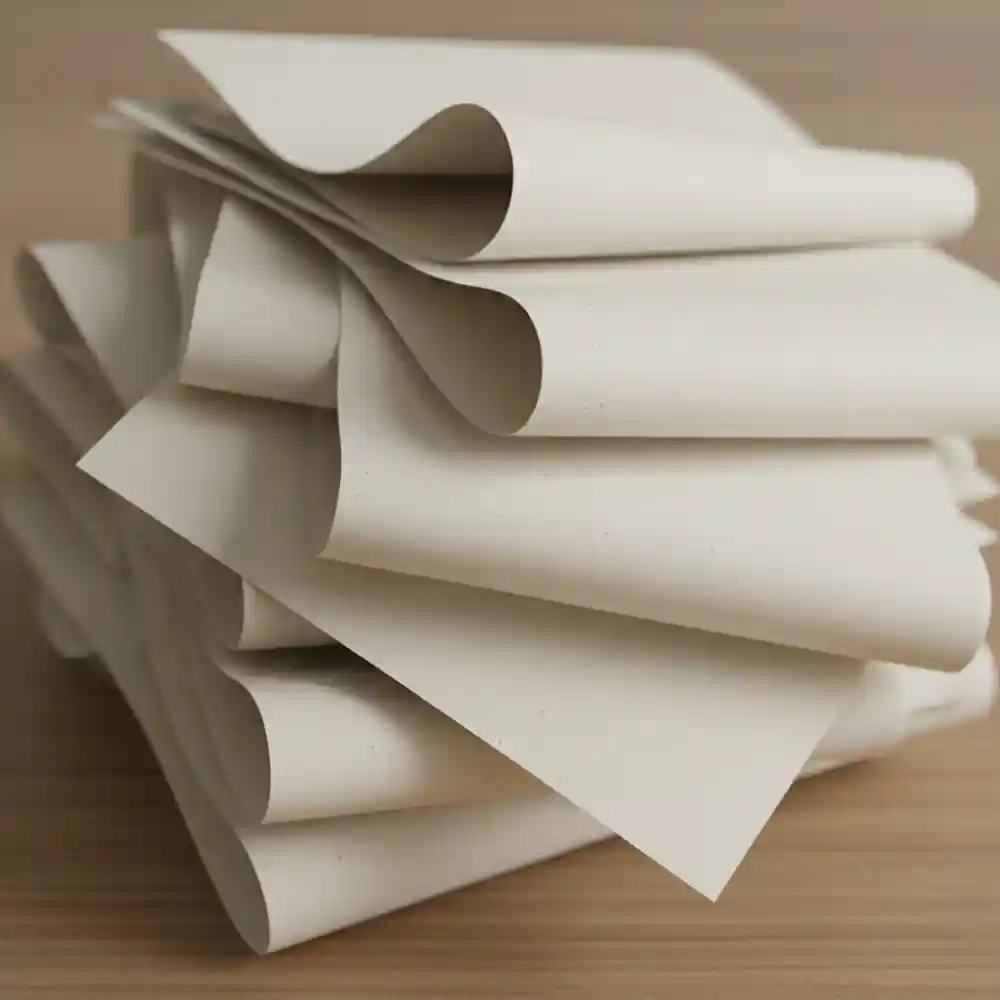
Maplitho Paper is a wood-free, uncoated printing paper manufactured primarily for offset lithographic printing. Unlike coated papers, Maplitho paper has no surface coating of clay or chemicals, which allows ink to penetrate slightly into the paper fibers. This results in high readability, minimal glare, and excellent writing performance.
It is typically made from chemical pulp, ensuring strength, durability, and long-term archival quality when produced with acid-free processes.
Key Physical & Printing Properties
1. Surface Characteristics
Natural matte finish
Smooth but slightly porous surface
Ideal for text-heavy printing
2. Ink Absorption
Balanced ink penetration
Reduces ink smudging
Prevents excessive dot gain
3. Opacity
High opacity enables double-sided printing
Minimal show-through even at lower GSM
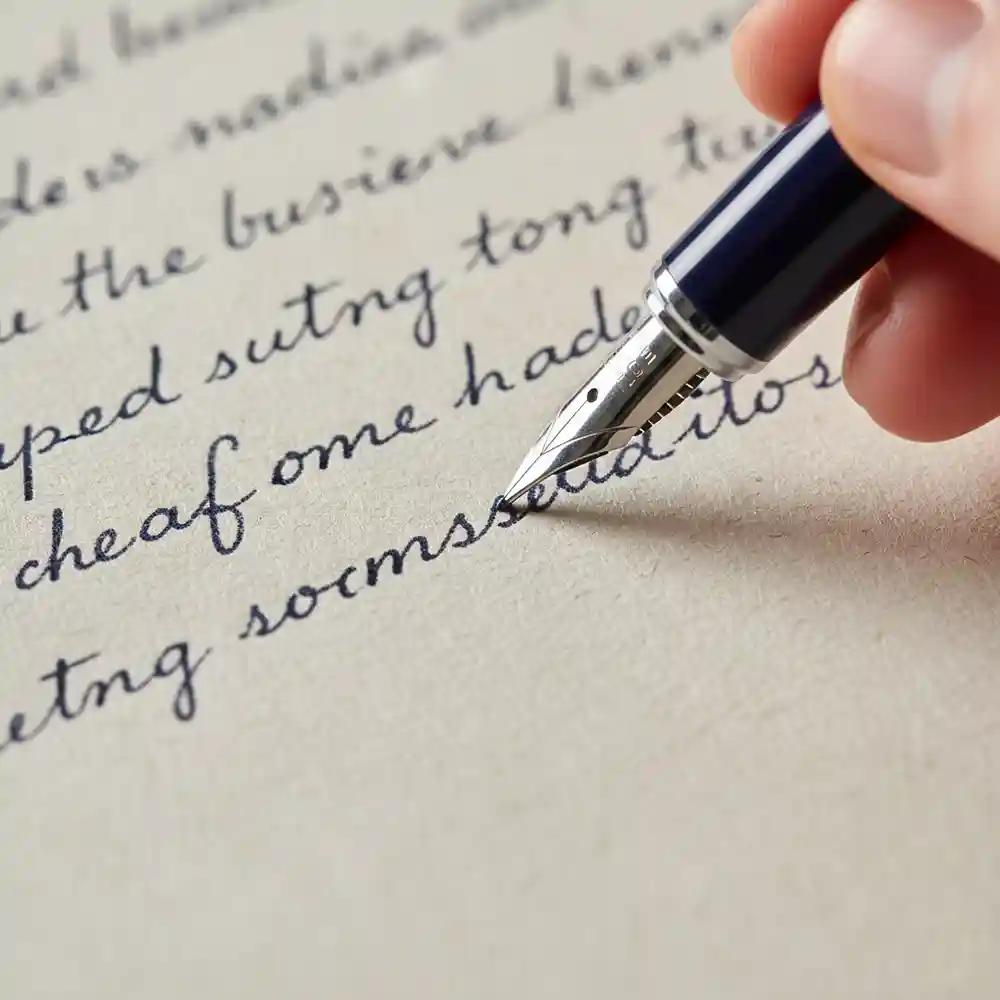
4. Writing Performance
Excellent for pen, pencil, and marker
No ink bleeding
Comfortable writing feel
GSM Range and Applications
| GSM Range | Typical Use |
|---|---|
| 60–70 GSM | Books, novels, dictionaries |
| 80 GSM | Office printing, letterheads |
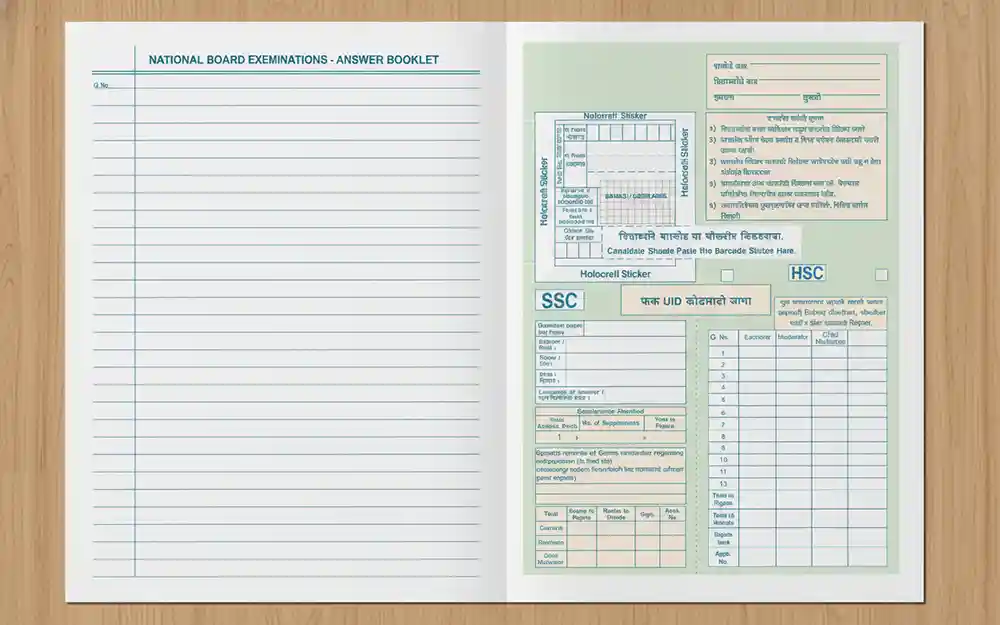
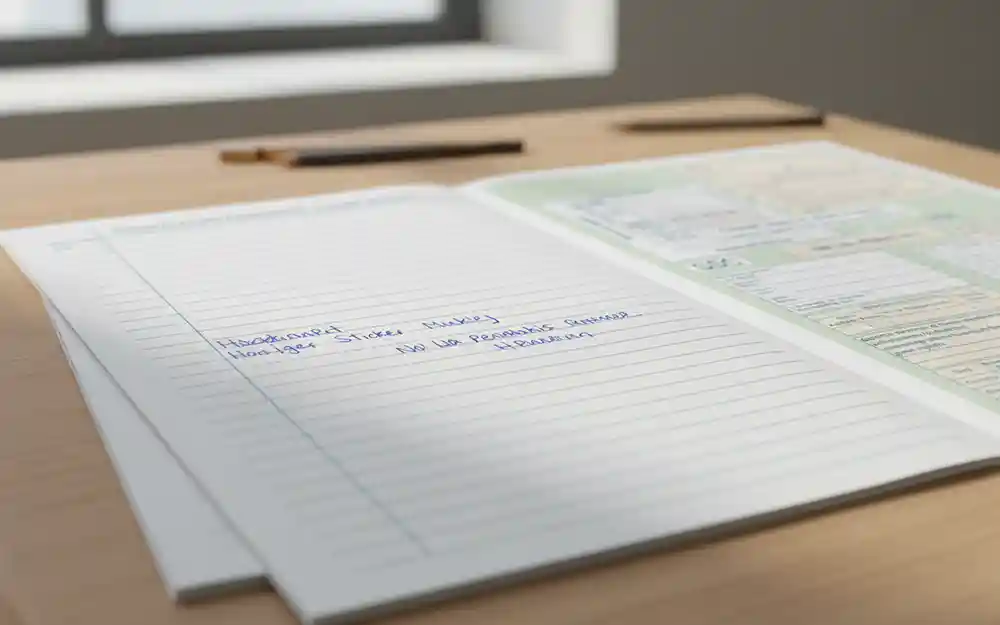
| 90 GSM | Notebooks, examination papers |
| 100 GSM | Manuals, reports |
| 120 GSM | Certificates, premium documents |
Common Uses of Maplitho Paper:
Comparison
Maplitho Paper
Finish: Uncoated, smooth surface. Composition: Wood-free, made from chemical pulp, known for good opacity.
Uses: Textbooks, notebooks, computer stationery, invoices, bills, flyers, calendars, photocopying, laser/inkjet printing.
Strengths: Excellent for crisp text, good ink receptivity, durable for everyday use, good runnability in printers.
Art Paper (Coated Paper)
Finish: Coated with China clay (kaolin) on both sides, available in glossy or matte. Composition: Base paper with a coating for enhanced print quality.
Uses: Brochures, magazine covers, high-quality picture printing, calendars, art prints where color vibrancy is key.
Strengths: Superior finish for rich colors, high-quality images, and professional presentation.
Why Maplitho Paper is Preferred in Publishing ?
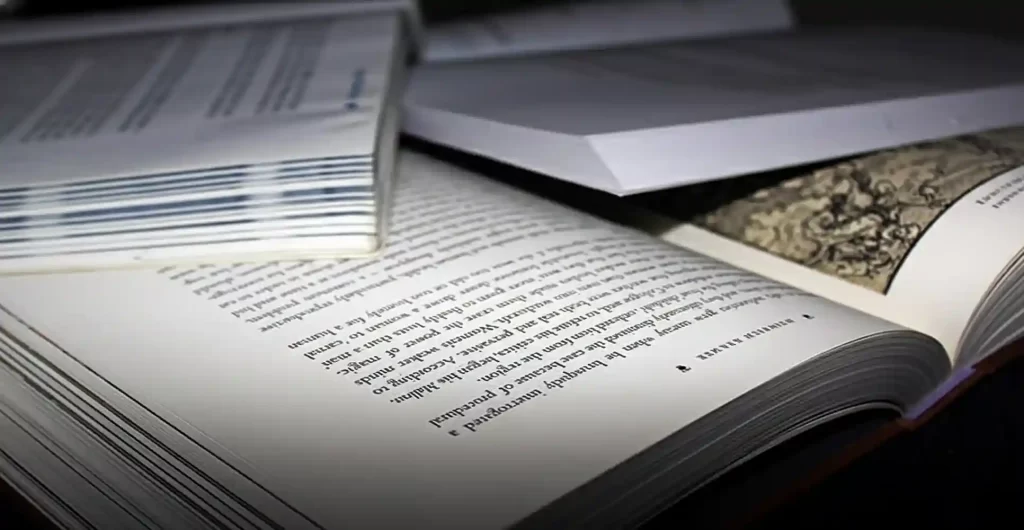
Publishers prefer Maplitho paper because it offers reading comfort, durability, and economical pricing. Its uncoated surface minimizes reflection, making it ideal for long reading sessions, especially in textbooks and novels.
Expert Conclusion
Publishers prefer Maplitho paper because it offers reading comfort, durability, and economical pricing. Its uncoated surface minimizes reflection, making it ideal for long reading sessions, especially in textbooks and novels.